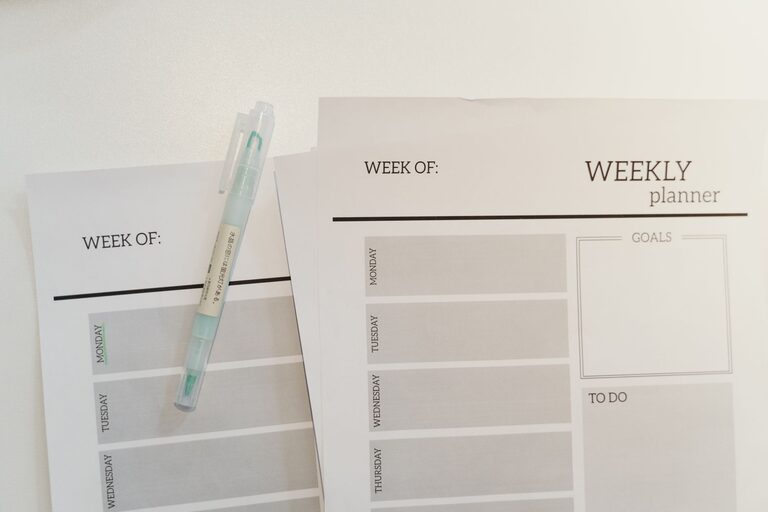
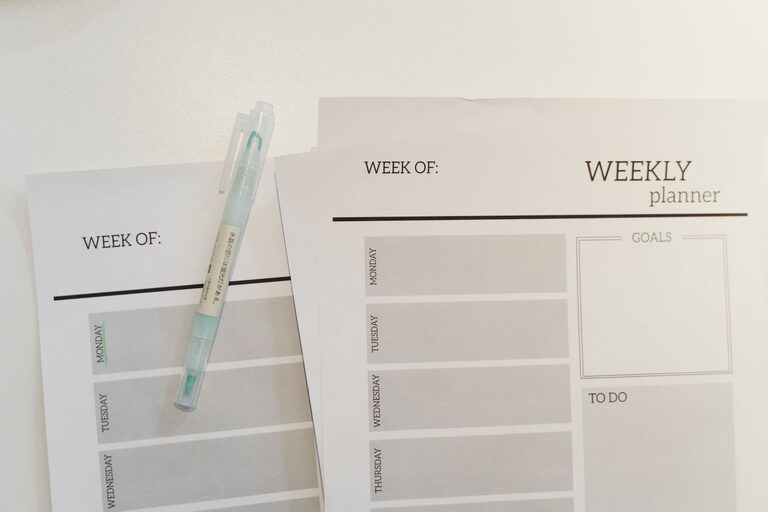
Setting weekly goals is a powerful way to maintain focus, increase productivity, and achieve your bigger objectives one step at a time. However, unrealistic goals can lead to frustration and burnout, making it important to set targets that are both challenging and attainable. In this post, we’ll explore how to set realistic weekly goals that motivate you to stay on track and make meaningful progress.
Why Set Weekly Goals?
Weekly goals break down long-term ambitions into smaller, manageable tasks. This approach helps you:
– Stay organized and clear about your priorities
– Track progress regularly and adjust plans if needed
– Maintain motivation by celebrating small wins
– Avoid feeling overwhelmed by large projects
By focusing on what you can realistically accomplish in a week, you create a solid foundation for success.
Step 1: Reflect on Your Priorities
Before setting goals, take a moment to review your priorities. Ask yourself:
– What are the most important tasks I need to complete this week?
– Which goals align with my broader personal or professional objectives?
– Are there any deadlines or scheduled events to consider?
This reflection ensures your weekly goals contribute meaningfully to your bigger picture instead of adding unnecessary pressure.
Step 2: Be Specific and Clear
Vague goals are hard to measure and accomplish. Instead, make each weekly goal specific by answering the following:
– What exactly do I want to achieve?
– How will I know when this goal is completed?
For example, instead of “Work on marketing,” set a clearer goal like “Create and schedule three social media posts for the upcoming campaign.”
Step 3: Consider Your Time and Energy
Be realistic about how much time you can dedicate each day to your goals. Factors to consider include:
– Work hours and other responsibilities
– Commitments like family or hobbies
– Your natural energy levels throughout the day
Avoid overloading your week. It’s better to complete a few meaningful goals well than to rush and complete many poorly.
Step 4: Break Down Larger Goals
If you have a complex goal, break it into smaller tasks that can fit comfortably into your weekly schedule. For example:
– Big goal: Write a 20-page report
– Weekly goal: Research 5 key sources and outline report chapters
This method helps prevent procrastination and keeps progress steady.
Step 5: Use the SMART Criteria
SMART is a popular framework for goal setting. Make sure your weekly goals are:
– Specific: Clear and well-defined
– Measurable: You can track your progress
– Achievable: Realistic given your resources and time
– Relevant: Align with your bigger objectives
– Time-bound: Have a deadline (in this case, by the end of the week)
Applying SMART criteria helps improve clarity and feasibility.
Step 6: Plan Your Week in Advance
Set aside time—either on Sunday night or Monday morning—to plan your week. Write down your goals and schedule them into your calendar or planner. This can include:
– Assigning specific days or times to each goal
– Allowing buffer time for unexpected events
– Prioritizing tasks based on importance and urgency
Planning ahead increases your chances of sticking to your goals.
Step 7: Stay Flexible and Adjust as Needed
Life happens, and sometimes unexpected events can disrupt your plans. It’s important to:
– Review your goals midweek and at the end of the week
– Adjust goals if necessary without guilt
– Learn from what worked and what didn’t
Flexibility helps you maintain momentum without getting discouraged.
Step 8: Celebrate Your Achievements
Recognizing your weekly successes, even small ones, boosts motivation. Take time to:
– Reflect on what you accomplished
– Reward yourself in simple ways (a favorite snack, a short break)
– Use positive self-talk to reinforce your efforts
Celebration encourages a healthy, positive habit of goal setting.
Common Mistakes to Avoid
– Setting too many goals: Focus on what’s truly important to avoid overwhelm.
– Being too vague: Clear goals lead to actionable steps.
– Ignoring your limits: Know your energy and time boundaries.
– Not tracking progress: Regular review helps you stay accountable.
Tools and Apps to Help
Several tools can assist in setting and tracking weekly goals:
– Trello or Asana: Visual task management boards
– Google Calendar: Schedule and get reminders
– To-do List apps: Simple checklists like Microsoft To Do or Todoist
– Bullet journaling: A flexible analog method for planning and tracking
Choose tools that fit your style and preferences to stay organized.
Final Thoughts
Setting realistic weekly goals is a skill that improves with practice. By being intentional, specific, and mindful of your time and energy, you can create a weekly plan that propels you forward without stress. Remember, the goal is progress, not perfection.
Start today by identifying one or two achievable goals for the upcoming week, and watch how small consistent steps lead to big results over time. Happy goal setting!
About the Author